The AI Policy Playbook: 5 Critical Rules to Govern ChatGPT and Generative AI

a close up of a cell phone with an ai button

ChatGPT and other generative AI tools, such as DALL-E, offer significant benefits for businesses. However, without proper governance, these tools can quickly become a liability rather than an asset. Unfortunately, many companies adopt AI without clear policies or oversight.

Only 5% of U.S. executives surveyed by KPMG have a mature, responsible AI governance program. Another 49% plan to establish one in the future but have not yet done so. Based on these statistics, while many organizations see the importance of responsible AI, most are still unprepared to manage it effectively.

Looking to ensure your AI tools are secure, compliant, and delivering real value? This article outlines practical strategies for governing generative AI and highlights the key areas organizations need to prioritize.

Benefits of Generative AI to Businesses

Businesses are embracing generative AI because it automates complex tasks, streamlines workflows, and speeds up processes. Tools such as ChatGPT can create content, generate reports, and summarize information in seconds. AI is also proving highly effective in customer support, automatically sorting queries and directing them to the right team member.

According to the National Institute of Standards and Technology (NIST), generative AI technologies can improve decision-making, optimize workflows, and support innovation across industries. All these benefits aim for greater productivity, streamlined operations, and more efficient business performance.

5 Essential Rules to Govern ChatGPT and AI

Managing ChatGPT and other AI tools isn’t just about staying compliant; it’s about keeping control and earning client trust. Follow these five rules to set smart, safe, and effective AI boundaries in your organization.

Rule 1. Set Clear Boundaries Before You Begin

A solid AI policy begins with clear boundaries for where you can or cannot use generative AI. Without these boundaries, teams may misuse the tools and expose confidential data. Clear ownership keeps innovation safe and focused. Ensure that employees understand the regulations to help them use AI confidently and effectively. Since regulations and business goals can change, these limits should be updated regularly.

Rule 2: Always Keep Humans in the Loop

Generative AI can create content that sounds convincing but may be completely inaccurate. Every effective AI policy needs human oversight, AI should assist, not replace, people. It can speed up drafting, automate repetitive tasks, and uncover insights, but only a human can verify accuracy, tone, and intent.

This means that no AI-generated content should be published or shared publicly without human review. The same applies to internal documents that affect key decisions. Humans bring the context and judgment that AI lacks.

Moreover, the U.S. Copyright Office has clarified that purely AI-generated content, lacking significant human input, is not protected by copyright. This means your company cannot legally own fully automated creations. Only human input can help maintain both originality and ownership.

Rule 3: Ensure Transparency and Keep Logs

Transparency is essential in AI governance. You need to know how, when, and why AI tools are being used across your organization. Otherwise, it will be difficult to identify risks or respond to problems effectively.

A good policy requires logging all AI interactions. This includes prompts, model versions, timestamps, and the person responsible. These logs create an audit trail that protects your organization during compliance reviews or disputes. Additionally, logs help you learn. Over time, you can analyze usage patterns to identify where AI performs well and where it produces errors.

Rule 4: Intellectual Property and Data Protection

Intellectual property and data management are critical concerns in AI. Whenever you type a prompt into ChatGPT, for instance, you risk sharing information with a third party. If the prompt includes confidential or client-specific details, you may have already violated privacy rules or contractual agreements.

To manage your business effectively, your AI policy should clearly define what data can and cannot be used with AI. Employees should never enter confidential information or information protected by nondisclosure agreements into public tools.

Rule 5: Make AI Governance a Continuous Practice

AI governance isn’t a one-and-done policy. It’s an ongoing process. AI evolves so quickly that regulations written today can become outdated within months. Your policy should include a framework for regular review, updates, and retraining.

Ideally, you should schedule quarterly policy evaluations. Assess how your team uses AI, where risks have emerged, and which technologies or regulations have changed. When necessary, adjust your rules to reflect new realities.

Why These Rules Matter More Than Ever

These rules work together to create a solid foundation for using AI responsibly. As AI becomes part of daily operations, having clear guidelines keeps your organization on the right side of ethics and the law.

The benefits of a well-governed AI use policy go beyond minimizing risk. It enhances efficiency, builds client trust, and helps your teams adapt more quickly to new technologies by providing clear expectations. Following these guidelines also strengthens your brand’s credibility, showing partners and clients that you operate responsibly and thoughtfully.

Turn Policy into a Competitive Advantage

Generative AI can boost productivity, creativity, and innovation, but only when guided by a strong policy framework. AI governance doesn’t hinder progress; it ensures that progress is safe. By following the five rules outlined above, you can transform AI from a risky experiment into a valuable business asset.

We help businesses build strong frameworks for AI governance. Whether you’re busy running your operations or looking for guidance on using AI responsibly, we have solutions to support you. Contact us today to create your AI Policy Playbook and turn responsible innovation into a competitive advantage.

Featured Image Credit

This Article has been Republished with Permission from The Technology Press.

How to Use a Password Manager and Virtual Cards for Zero-Risk Holiday Shopping

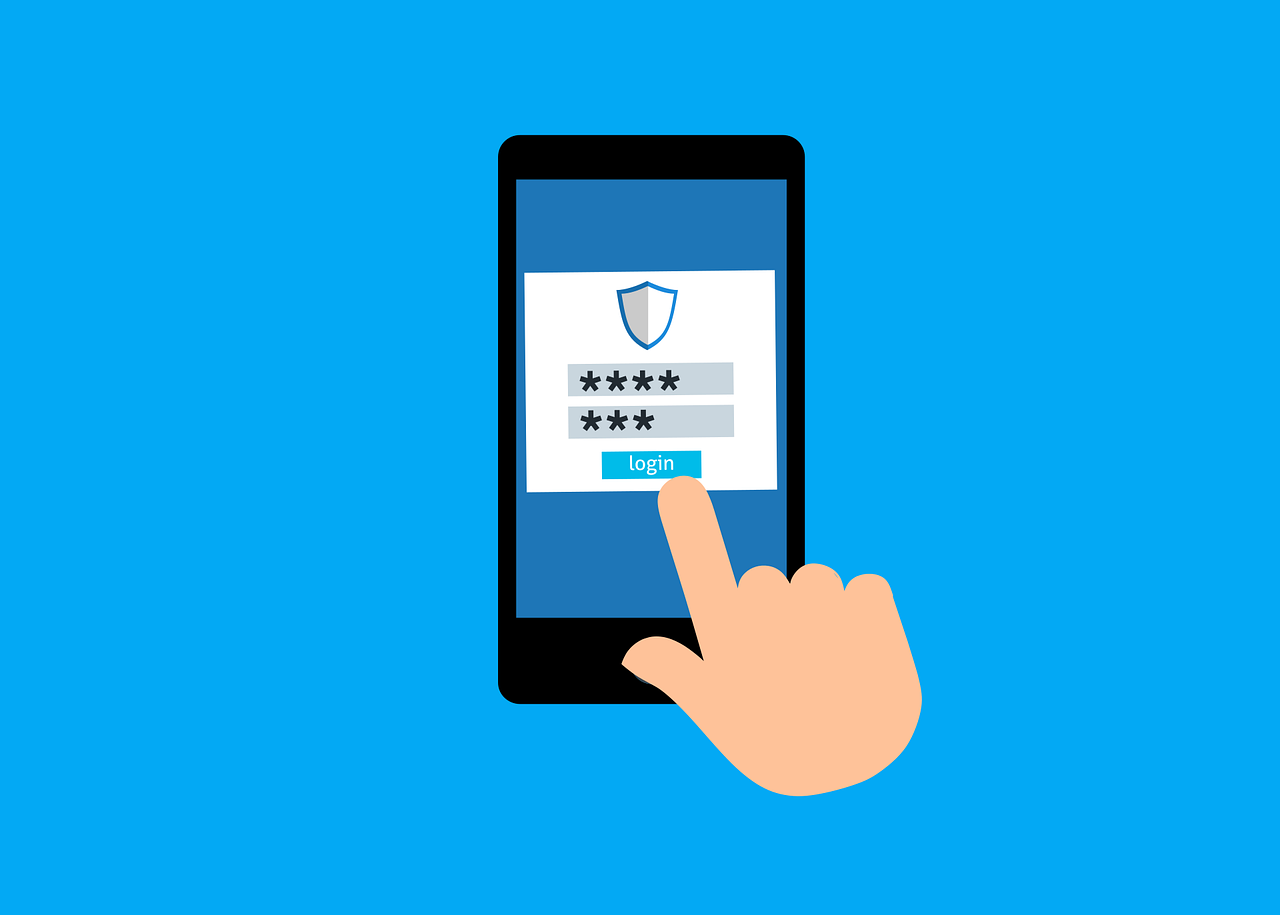
Free password login sign vector

Have you ever been concerned about your credit card or personal data getting stolen while shopping online? You’re not alone. Each holiday season, as millions of shoppers flock online for convenience, hackers ramp up their activity. The Federal Trade Commission (FTC) has warned that scammers often create fake shopping websites or phishing emails to steal consumers’ money and personal information, especially during the holidays.

If you’re planning to shop this holiday season, now is the perfect time to boost your online security. Two simple tools, password managers and virtual cards, can make a big difference. But how exactly? This article will show you how to use them to enjoy zero-risk online holiday shopping.

Why People Prefer Password Managers and Virtual Cards for Online Shopping

Shopping online is quick, easy, and often cheaper than going to physical stores. However, it is fraught with security risks. Many people now use password managers and virtual cards for safer transactions. 

A password manager creates and keeps complicated, distinct passwords for all accounts. This minimizes the chance of unauthorized access and theft. The Cybersecurity and Infrastructure Security Agency (CISA) recommends using password managers to reduce password reuse and protect sensitive data from hackers.

Virtual cards also add an extra layer of protection when shopping online. Although the card numbers are linked to your real credit or debit card account, the merchant never sees your card details. This helps prevent identity theft and financial fraud.

Tips for Using Password Managers and Virtual Cards for Zero-Risk Holiday Shopping

Before you start adding items to your cart, the safety of your money comes first. Here are smart ways to use these tools to improve online security during the holidays.

Choose a Reputable Password Manager

Select a trusted provider with strong encryption and a solid reputation. Popular options include 1Password, Dashlane, LastPass, and Bitwarden. Fake versions are everywhere, so make sure you only download from the official website or app store.

Create a Strong Master Password

Your master password protects all your other passwords and should be the most secure. “Secure” means making it unusual and not something that can be guessed. You can achieve this by combining letters, numbers, and special characters. 

Turn On Two-Factor Authentication (2FA)

2FA adds another protection step by requiring two verification steps. Besides your password, you can choose to receive a verification code on your phone. Even if hackers steal your password, they can’t access your account without your verification code.

Generate Virtual Cards for Each Store

Set up a separate virtual card for each online retailer, many banks and payment apps offer this feature. That way, if one store is compromised, only that temporary card is affected, your main account stays safe.

Track Expiration Dates and Spending Limits

Virtual cards often expire after a set time or after one purchase. This is good for security, but make sure your card is valid before placing an order. Set spending limits as well, as this helps with holiday budgeting and prevents unauthorized charges.

Shop Only on Secure Websites

Be sure to purchase only from websites you are familiar with. Don’t shop from any link in an advertisement or email. You may end up on phishing sites that target your information. The URL of a safe site starts with “https://.”

Also, pay attention to data encryption. Look for the padlock symbol on your browser address bar. This indicates that the site has employed SSL/TLS encryption, which encrypts data as it is passed between your device and the site.

Common Mistakes to Avoid for Safer Online Shopping

Even with the best security tools, simple mistakes can put your data at risk. Developing strong security awareness is key to safer online habits. Here are some common pitfalls to watch out for when shopping:

Reusing Passwords

One hacked password can put all your accounts at risk. Keep them safe by using a different password for every site, your password manager makes it easy.to generate and store strong, distinct passwords for each one.

Using Public Wi-Fi for Shopping

Hackers can easily monitor public Wi-Fi networks, making them unsafe not just for shopping but for any online activity. To protect your data, avoid using Wi-Fi in coffee shops, hotels, or airports for online shopping. Instead, stick to your mobile data or a secure private network.

Ignoring Security Alerts

Many people overlook alerts about unusual activity but ignoring them can be risky. If your bank, password manager, or virtual card provider alerts you to suspicious activity, act immediately. Follow their instructions to protect your data, for example, changing your password and reviewing recent transactions for any signs of fraud.

Saving Card Details in Your Browser

While browsers allow card information to be saved, it is less secure than virtual cards. If hackers access your browser, your saved cards are compromised.

Shop Smarter and Safer This Holiday Season

The holidays should be about celebration, not about worrying over hacked accounts or stolen card details. Using tools like password managers and virtual cards lets you take control of your online shopping security. These tools make password management easier, protect you from phishing scams, and add extra protection against cybercriminals. As you look for the best holiday deals, include security in your shopping checklist. Peace of mind is the best gift you can give yourself.

Need help improving your cybersecurity before the holiday rush? We can help you protect your data with smarter, easy-to-use security solutions. Stay safe, stay secure, and shop online with confidence this season. Contact us today to get started.

Featured Image Credit

This Article has been Republished with Permission from The Technology Press.

Beyond Licensing: How to Stop Wasting Money onYour Microsoft 365 Security and Copilot Add-Ons

Free A hand using a wireless mouse at a modern desk setup with a computer and keyboard. Stock Photo

Microsoft 365 is a powerful platform that helps a business in many ways. It boosts collaboration and streamlines operations, among other benefits. However, many companies waste money on unnecessary licenses and features that are not fully used. 

Fortunately, you can avoid this waste and take your business to the next level by adopting smarter use of M365 security and Copilot add-ons. This article will provide practical insights, help you avoid costly mistakes, and support you in making informed decisions that fit your business objectives.

What Does Microsoft 365 Provide as Baseline Security & Copilot Features? 

Even without premium add-ons, Microsoft 365 offers a solid set of built-in security and AI features that are useful. You have tools for identity and access management, such as Azure Active Directory (now Entra ID), multi-factor authentication, single sign-on, and conditional access. The basic plans also deliver threat and malware protection, with built-in scanning for emails, phishing protection through Microsoft Defender, and safeguards for attachments and links. 

Depending on your plan, you might also have data loss prevention (DLP) features and tools for auditing and compliance to monitor user activity, support regulatory reporting, and enforce data retention policies. That said, before you adopt premium tiers, you have to scrutinize your needs. By knowing what is already available, you avoid paying for what you won’t use. Moreover, understanding what is included in every plan also helps you avoid overlapping features. 

How Organizations Overspend on Microsoft 365 Security and Copilot Add-Ons

Before we explore solutions, it’s essential to understand how this waste occurs in the first place. Overspending is often not obvious. It is hidden in scenarios that go unnoticed.

Purchasing Higher-Tier Plans  

As noted earlier, many organizations quickly upgrade to higher-tier plans like E3 or E5, or add premium features for every user, often paying for tools that remain unused. 

Licenses Left Running  

Another major source of waste comes from licenses that are assigned but no longer in use. Employees may have shifted roles, gone on leave, moved to part-time, or even left the company, yet their premium licenses remain active. If left unchecked, these idle licenses quietly drain the budget, adding up to significant financial loss over time.

Deleting Users During Offboarding  

Organizations may delete user accounts during offboarding without first unassigning licenses. Deleting a user account does not automatically reclaim those licenses in Microsoft 365. Therefore, unless you manually unassign licenses or set up automation, you will continue paying for unused licenses long after the employee has left.

Duplicate Functionality Assigned to the Same User  

Microsoft 365’s admin portal does not flag duplicate assignments. This increases the chance that your organization may assign redundant tools or capabilities to a single user. For example, giving someone both an E3 and a standalone Defender license that already comes with E3. This simply means you are paying twice for the same feature. 

How to Reduce Waste in Microsoft 365 Security and Copilot Add-Ons

The good news is that much of this waste can be avoided. With discipline, proper tools, and regulation, you can redirect your budget to a smarter use of Microsoft 365. Below are some of the main strategies to adopt.

Downgrade Light Users

Not all users require an E3 or E5 license. For example, why give your receptionist a complete E5 license with enhanced compliance tools if they’re only emailing and using Teams? By monitoring actual usage, you can downgrade such users to E1 or another lower-tiered plan without affecting productivity. Low-usage discovery utilities enable you to downgrade confidently without speculation.

Automate Offboarding of Ex-Employees  

By automating offboarding processes, licenses are unassigned automatically once you mark an employee as departed. Use workflow tools like Power Automate linked to HR systems or forms to revoke access, remove group memberships, convert mailboxes, and unassign licenses in one automated process.

Consolidate Overlapping Features  

Review your security, compliance, collaboration, and analytics tools to find overlaps. If your plan already offers advanced threat protection or endpoint detection, consider canceling redundant third-party tools. If Copilot add-ons duplicate other AI or automation tools you already use, streamline them under one system.

Review Group and Shared Mailboxes  

Many organizations mistakenly assign premium licenses to shared mailboxes, service accounts, or inactive mailboxes. This doesn’t offer any functional benefits. Think about converting them to free shared mailboxes or archiving them to free up license slots. That way, you ensure that your M365 budget is only spent on value-generating users.

Enable License Expiration Alerts and Governance Policies

Avoid wastage in the future by setting up policy checks and notifications, and make sure you respond as needed. Note down renewal dates for contracts so you don’t accidentally auto-renew unused licenses. Also, track levels of inactivity and flag for review licenses that have passed the threshold.

Make Microsoft 365 Work Smarter for You  

Don’t let Microsoft 365 licenses and add-ons quietly drain your resources. Take control by reviewing how each license is used. When you match your tools with actual business needs, you save money, simplify management, and improve productivity in your organization. 

Optimizing your Microsoft 365 environment is all about getting the most value from what you already own. By using M365 security and Copilot add-ons wisely, your business can operate more efficiently and securely. If you’re looking to better manage licensing and make smarter technology decisions, reach out to our team of experts who have helped organizations do exactly that. Let’s get started today.

Featured Image Credit

This Article has been Republished with Permission from The Technology Press.

wpChatIcon
wpChatIcon